ESP Summer School 2026
1-5 September 2026 | CREAF | Universitat Autònoma de Barcelona, Spain
ESP Summer School 2026: Ecosystem services modelling and biodiversity indicators
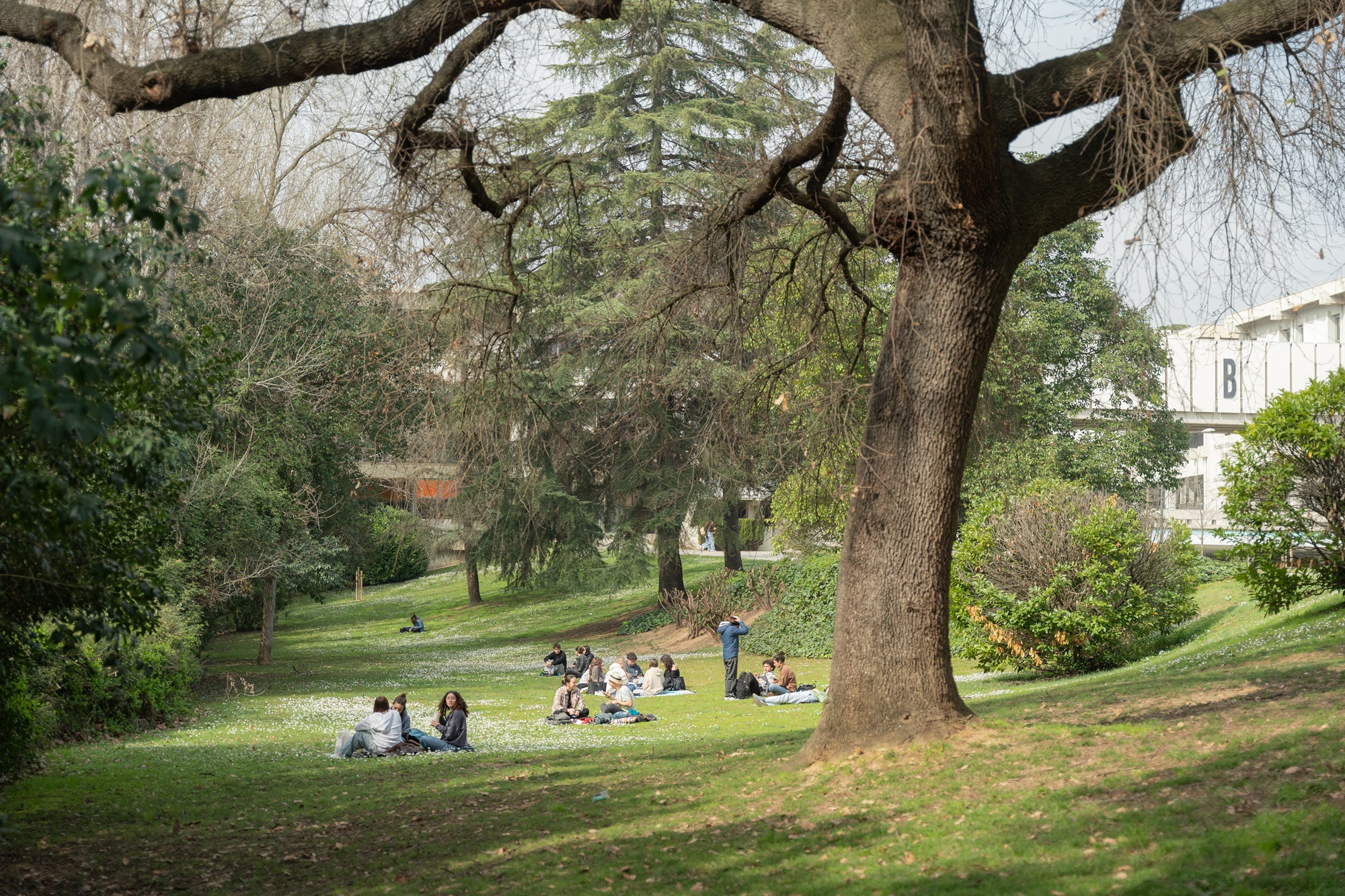
📅 1–5 September 2026 📍 Centre for Ecological Research and Forestry Applications (CREAF), Universitat Autònoma de Barcelona, Spain
The second edition of the ESP Summer School is aimed at advanced MSc students, PhD candidates, and early-career postdoctoral researchers with some prior experience in GIS or spatial analysis. The course will provide theoretical and practical training in ecosystem services modelling and biodiversity assessment, within the ECO‑RESILIENCE 360º themes of nature-based solutions, ecosystem risks, and adaptation.
Ecosystem services are essential to human well-being, but are increasingly affected by climate change, land-use change, and biodiversity loss. Responding to these challenges requires approaches that combine ecosystem services modelling and biodiversity assessment to support analysis, planning, and management.
This Summer School is organized by the Ecosystem Services Partnership (ESP), a global network dedicated to promoting research and the practical application of ecosystem services.
This Summer School will:
Train early‑career researchers in cutting‑edge methods for modelling ecosystem services and assessing biodiversity indicators.
Foster interdisciplinarity by integrating ecological, social and economic approaches to socio‑ecological systems.
Generate a network of young scientists and senior mentors that strengthens collaboration between the Centre for Ecological Research and Forestry Applications (CREAF), the Ecosystem Services Partnership (ESP) and international partners.
Produce open‑source educational materials, a shared dataset and a synthesis report summarising methods, case studies and policy recommendations.
This Summer School is organized by the Ecosystem Services Partnership (ESP), an international network dedicated to promoting research and the practical application of ecosystem services through conferences, training, and projects.
🌍Key topics
✅Train early-career researchers in current methods for ecosystem services modelling, biodiversity assessment, and mapping and spatial analysis using GIS tools.
✅Foster exchange across different perspectives on socio-ecological systems, including ecosystem services, biodiversity, and spatial assessment.
✅Strengthen a network of early-career and senior researchers working on ecosystem services modelling and biodiversity assessment across CREAF, ESP, and partner institutions.
✅Support the development of shared learning resources and collaborative outputs emerging from the summer school.
👥 Who Should Apply?
PhD candidates, PostDocs, and early-career researchers with a background in ecology, geography and/or environmental sciences. Participants will present their research and explore how value transfer can be applied to their work.
📝 Important Dates:
📌 Applications open: 13 April 2026
📌 Application deadline EXTENDED: 31 May 2026
📌 Results announced: 18 June 2026
📌 Registration deadline: 15 July 2026
💵 Estimation of costs:
€500 (excluding flights and accommodation)
The costs include:
Venue & lectures
Morning coffee, lunch, and afternoon tea (5 days)
Dinner (1 day)
Excursion
All other expenses are the responsibility of the participants
A limited number of registration fee waivers may be available, subject to sufficient participation and available resources. Further information will be provided if and when support becomes available.
Participants are encouraged to explore funding opportunities through their host institutions.

About the summer school
This summer school will introduce early-career researchers to current approaches for ecosystem services modelling and biodiversity assessment, combining conceptual sessions with hands-on practical training. The course will use open-source data, open-source software, and ecosystem services classifications to explore how ecosystem services and biodiversity indicators can support research, planning, and decision-making.
Across the week, participants will work with three complementary examples focused on carbon and climate regulation, biodiversity and habitat quality, and cultural ecosystem services with a focus on recreation. Practical sessions will follow a common European-scale workflow based on shared datasets, covering data preparation, spatial analysis, mapping, and the interpretation of results. The course will also encourage critical reflection on the assumptions, strengths, limitations, and policy relevance of different approaches. A final field excursion near Barcelona will provide an opportunity to relate broad-scale model outputs to real landscapes and to reflect on the role of scale in ecosystem service and biodiversity assessment.
Output
Upon completion, participants will receive a certificate of 3 ECTS. The summer school may also lead to collaborative follow-up outputs, including synthesis activities and potential joint publications.
Keynote Speakers and Program
The course is organised around a European framework, complementary ecosystem services modelling approaches, and a final field-based reflection on the relationship between maps, real ecosystems and decision-making. The provisional draft program is available here, although minor adjustments to the schedule and session descriptions may still be made.
Stay tuned for updates!
Important dates
Applications open: 13 April 2026
Application deadline EXTENDED: 31 May 2026
Results announced: 08 June 2026
Registration deadline EXTENDED: 15 July 2026
Summer school: 1 to 5 September 2026
Organised by




In partnership with




The summerschool is made possible thanks to Synthesis Action Grant CEX2023-001340-S funded by MICIU/AEI/10.13039/501100011033
Synthesis Actions is a sub-programme under the Severo Ochoa programme.
Location
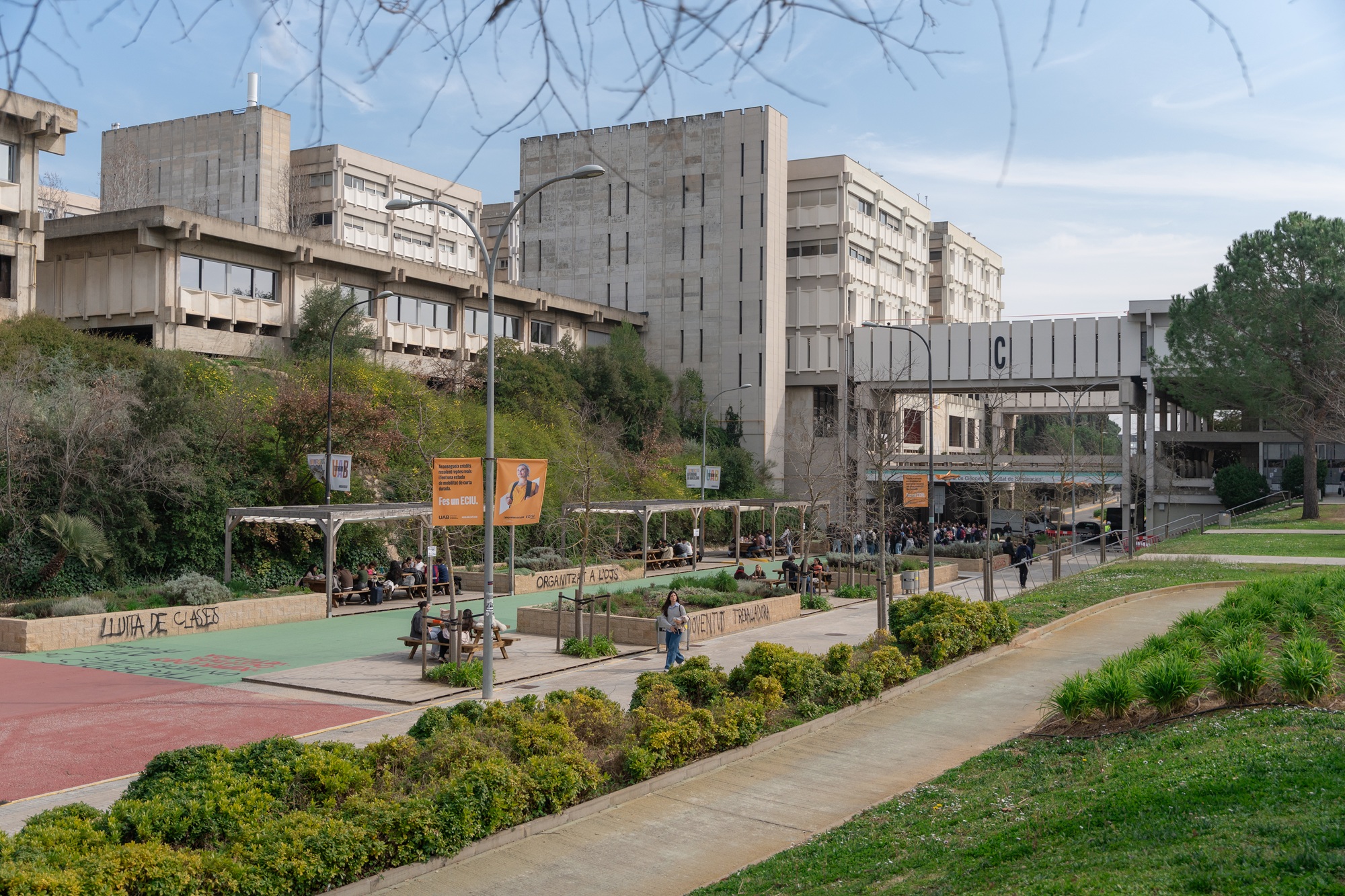
CREAF, Universitat Autònoma de Barcelona, Barcelona, Spain
Campus de Bellaterra (UAB)
Edifici C08193
Cerdanyola del Vallès
Barcelona, Spain
Copyright FSD 2026
Grant CEX2023-001340-S funded by MICIU/AEI/10.13039/501100011033
Summer School 2026
 Registration website for Summer School 2026
Summer School 2026support@es-partnership.org
Summer School 2026support@es-partnership.orghttps://www.espconference.org/summer-school-2
2026-09-01
2026-09-05
OfflineEventAttendanceMode
EventScheduled
Summer School 2026Summer School 20260.00EUROnlineOnly2019-01-01T00:00:00Z
To be announcedTo be announced
event registration made easy
aanmelder.nl is the software partner for events.
Click here to discover the software.